
Dear friends,
Thank you for visiting my legislative website. I am honored to serve members of the 20th district and I look forward to the opportunity to serve you during the 104th General Assembly.
Your opinions are always appreciated, and I urge you to contact my Chicago office (773-278-2020) or Springfield office (217-782-8191) if you have any questions or concerns.
To learn more about current legislative issues, please visit the General Assembly website at www.ilga.gov or the Senate Democratic Caucus website at www.illinoissenatedemocrats.com.

Senator Graciela Guzmán
She/Her/Ella
20th District
Welcome to Senator Graciela Guzmán's legislative website
Guzmán bill to protect Illinoisans with medical debt from greedy health care corporations passes Senate
- Details
- Category: Press Releases
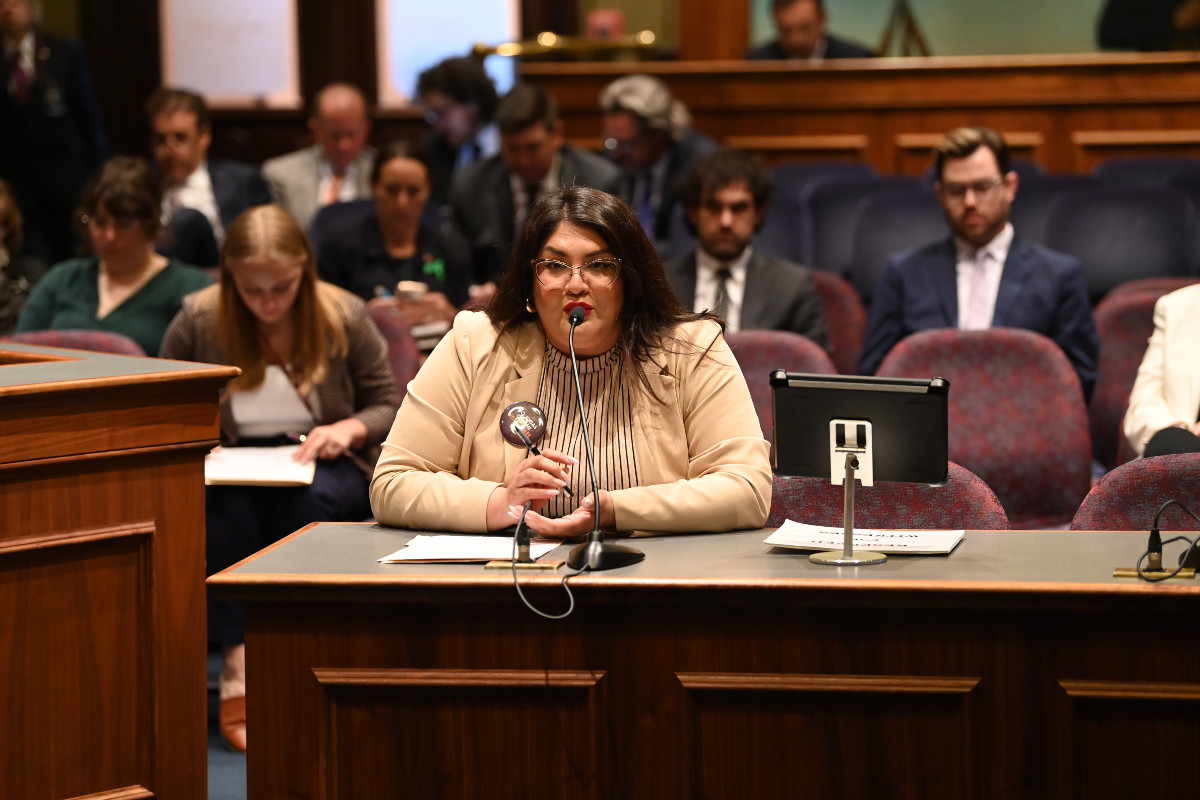
SPRINGFIELD – Many residents in Illinois are struggling to keep up with their medical debt in the face of corporate greed. State Senator Graciela Guzmán has advanced legislation through the Senate to protect those burdened by health care debt from having a lien placed on their home during a health care debt collection.
“Housing and health care are human rights that Illinois must strive to protect and provide for its residents,” said Guzmán (D-Chicago). “While health care corporations make massive profits, they are attempting to threaten the homes of people who need treatment but cannot afford it. This practice cannot go on.”
This legislation came forward after the House sponsor heard from residents affected by the acquisition of St. Margaret’s Hospital in Peru by OSF HealthCare. After that acquisition, families saw more aggressive medical debt collection practices, including liens on homes for medical debts sometimes as low as $2,000.
Guzmán effort to protect minor contraceptive access in Illinois passes Senate
- Details
- Category: Press Releases
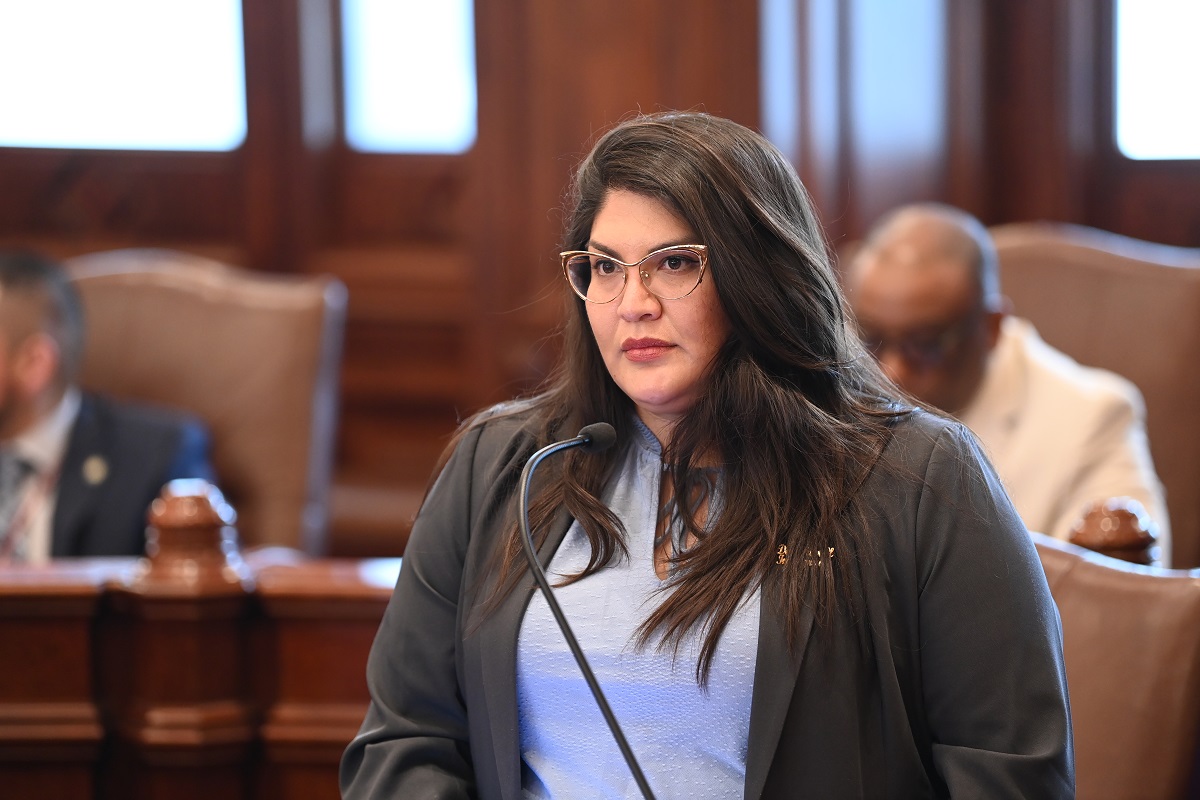
SPRINGFIELD – State Senator Graciela Guzmán’s legislation to preserve contraceptive services or supplies for minors through legislation recently passed the Senate.
“Illinois has been, and must continue to be, a protector of contraceptive care,” said Guzmán (D-Chicago). “We have to create safeguards so that we have a choice when it comes our bodies.”
Senate Bill 3341 would provide that any minor may give effective consent for contraceptive services or supplies and the consent of no other person is required. According to KFF, several states require parental consent to obtain contraceptive care and many states do not guarantee the rights of minors to consent to contraceptive services.
Planned Parenthood is the nation’s leading provider and advocate of high quality, affordable sexual and reproductive health care for all people, as well as the nation’s largest provider of sex education.
"In recent years, we have seen a concerted effort to stigmatize birth control use and spread misinformation,” said Marissa Jackson-Donnell, senior manager of legislative affairs at Planned Parenthood Great Rivers Action. “As these attacks on reproductive health care continue on the national level, Illinois must do more to protect the bodies, lives and futures of our youth. Illinois can protect the current level of access in our state by removing antiquated language and explicitly affirming that the right to consent to care includes the right to consent to contraception."
Read more: Guzmán effort to protect minor contraceptive access in Illinois passes Senate
Guzman advocates for creating Hispanic-Serving Institutions Task Force
- Details
- Category: Uncategorised
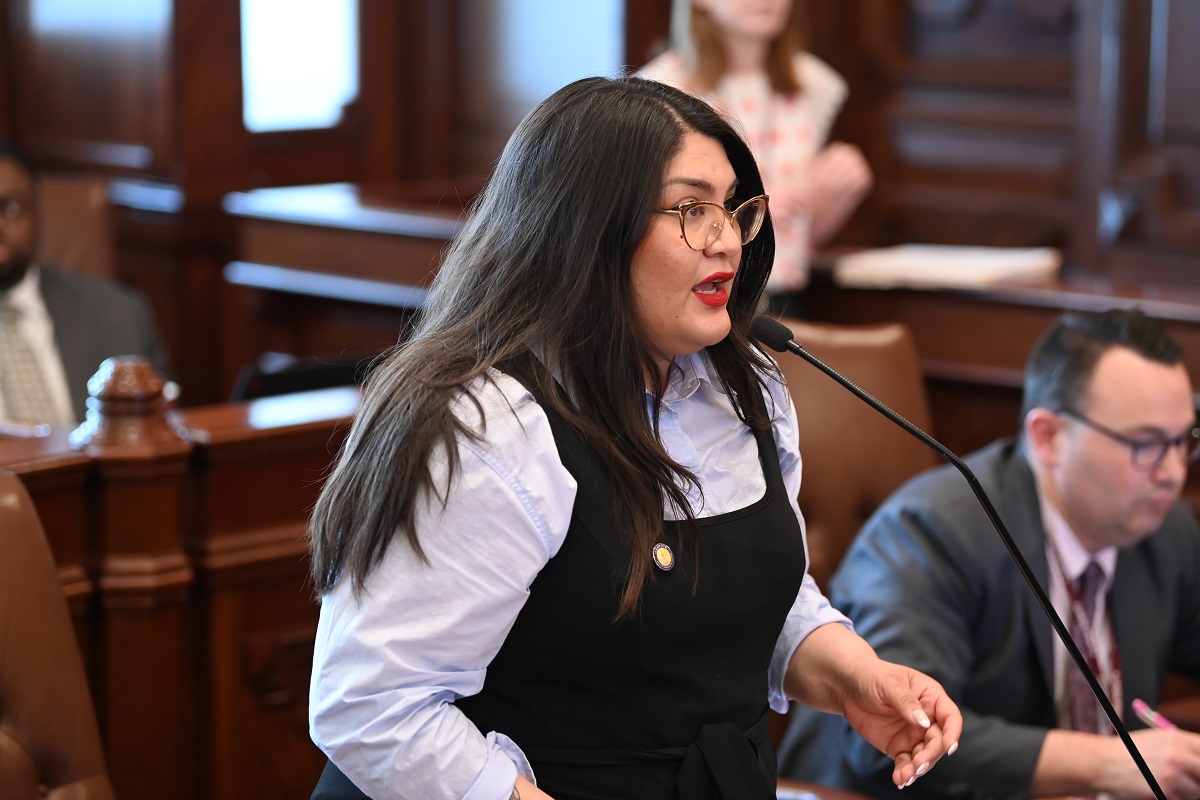
SPRINGFIELD – In order to assess the current landscape of Hispanic-serving institutions in Illinois, State Senator Graciela Guzmán presented the need for the Hispanic-Serving Institutions Task Force before the Education Appropriations Committee on Tuesday.
“Hispanic students make up a significant portion of Illinois’ student body and Hispanic workers make up a large portion of our work force,” said Guzmán (D-Chicago). “This task force will give us a greater understanding of what barriers our Hispanic students are facing and how we can best adjust state policy to meet their needs.”
Senate Bill 3752 would assess the current landscape of Hispanic-serving institutions and emerging Hispanic-serving institutions in the state, identify barriers to student access, retention, and completion, and review existing state policies and accountability frameworks to determine their impact on Hispanic-serving institutions and their students' success.
The task force would seek to align Hispanic-serving institutions' efforts with state workforce and economic development priorities, and consider the feasibility of creating a permanent state initiative or funding mechanism to support Hispanic-serving institutions.
Read more: Guzman advocates for creating Hispanic-Serving Institutions Task Force
Senator Guzmán calls for revenue reform in Illinois
- Details
- Category: Uncategorised
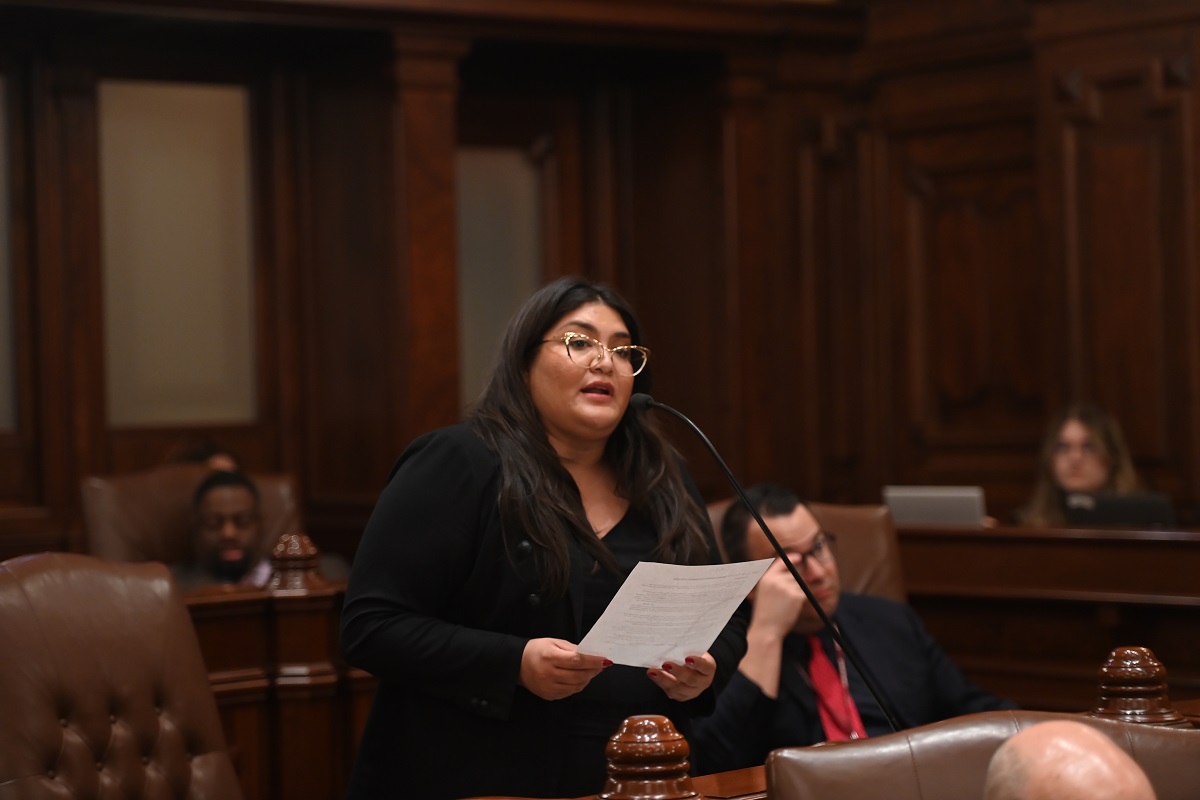
SPRINGFIELD – Rising inflation, higher rent and increasing insurance costs are putting pressure on Illinois families across the state. To support Illinoisans during this time of economic uncertainty, Senator Graciela Guzmán has called for revenue reform in the state to tax the rich.
“People are feeling the price pressure in their lives from rising rent, more expensive groceries and rising insurance costs,” said Guzmán (D-Chicago). “We need bold revenue reform in Illinois to support everyone in the state, not just the richest few. We can uplift the working and middle classes with the financial support to build a future for themselves at a time when the economy and federal administration are very unstable. Our communities are facing urgent need, we must take decisive action this month by taxing the rich to help our communities and move Illinois forward.”
Guzmán spoke on the need for revenue reform in front of the State Capitol on Wednesday. There are several bills being considered, including:
- Senate Bill 3376, which would apply Illinois’ personal income tax rate to the appreciation of assets for residents with a net worth of $1 billion or more.
- Senate Bill 3486, a measure that would strengthen corporate tax accountability by addressing how large, multinational corporations report income.
- Senate Bill 3353, which would apply a 10% tax on a digital advertisers’ annual revenue if the revenue earned exceeds $150 million.
- Senate Bill 3796, a proposal that would decouple Illinois from federal tax changes, end high-impact business credits and require a cost-benefit analysis of corporate tax incentives.
Read more: Senator Guzmán calls for revenue reform in Illinois
More Articles …
Page 6 of 31



Follow Senator Guzmán