Dear friends,
Thank you for visiting my legislative website. I am honored to serve members of the 20th district and I look forward to the opportunity to serve you during the 104th General Assembly.
Your opinions are always appreciated, and I urge you to contact my Chicago office (773-278-2020) or Springfield office (217-782-8191) if you have any questions or concerns.
To learn more about current legislative issues, please visit the General Assembly website at www.ilga.gov or the Senate Democratic Caucus website at www.illinoissenatedemocrats.com.

Senator Graciela Guzmán
She/Her/Ella
20th District
Welcome to Senator Graciela Guzmán's legislative website
Guzmán law protects access to adult education in Illinois
- Details
- Category: Press Releases
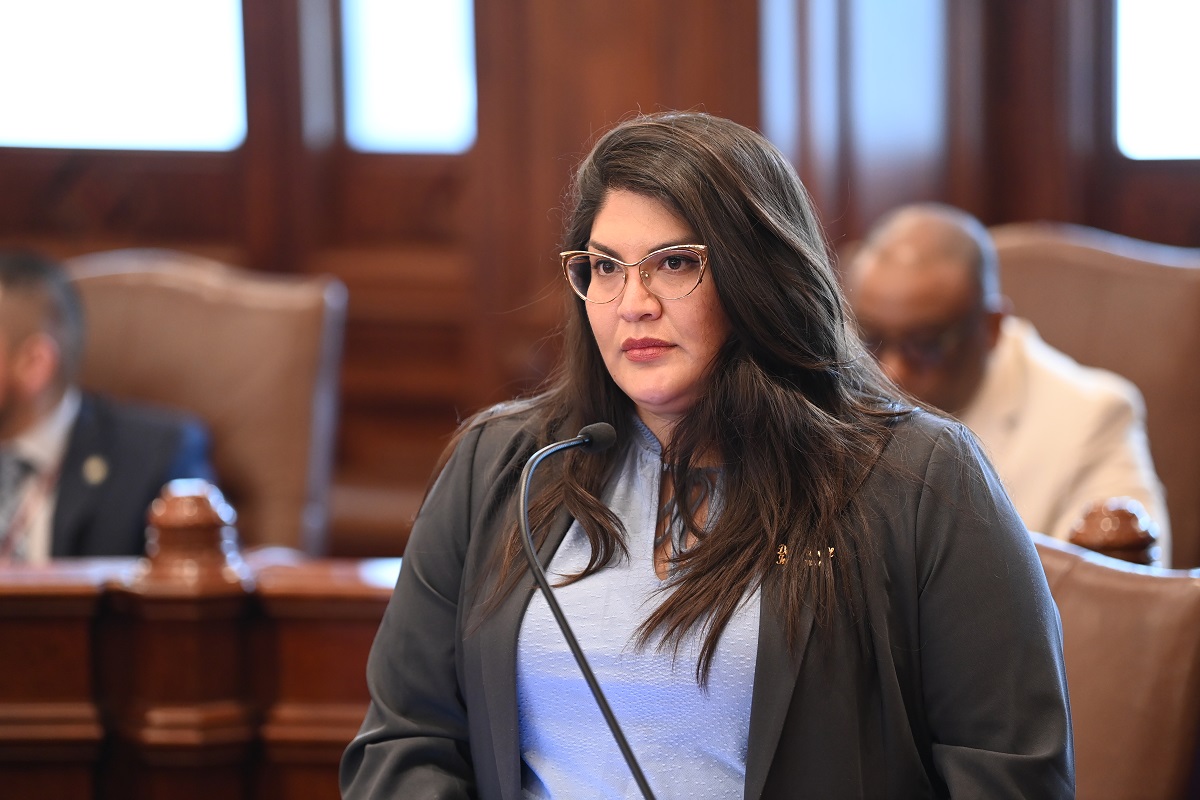
SPRINGFIELD – State Senator Graciela Guzmán’s bill to decouple Illinois adult education funding from federal rules was signed into law Wednesday.
“Adult education changes lives. It helps parents earn a diploma, workers gain new skills, immigrants learn English, and people build a better future for themselves and their families,” said Guzmán (D-Chicago). “Illinois should not have to put those opportunities at risk every time the federal government changes course. This law ensures that our communities, not political chaos in Washington, determine how we invest in adult learners.”
Adult education programs help Illinois residents earn high school equivalency credentials, learn English, build digital literacy, prepare for college and workforce training, and develop the skills needed for family-sustaining careers.
This legislation comes as the Trump administration has sought to exert greater control over education policy while threatening federal education funding. Without action, changes to federal Workforce Innovation and Opportunity Act requirements could have disrupted access to adult education programs that thousands of Illinois residents rely on every year.
Read more: Guzmán law protects access to adult education in Illinois
Guzmán law protects minors’ access to contraception in Illinois
- Details
- Category: Press Releases
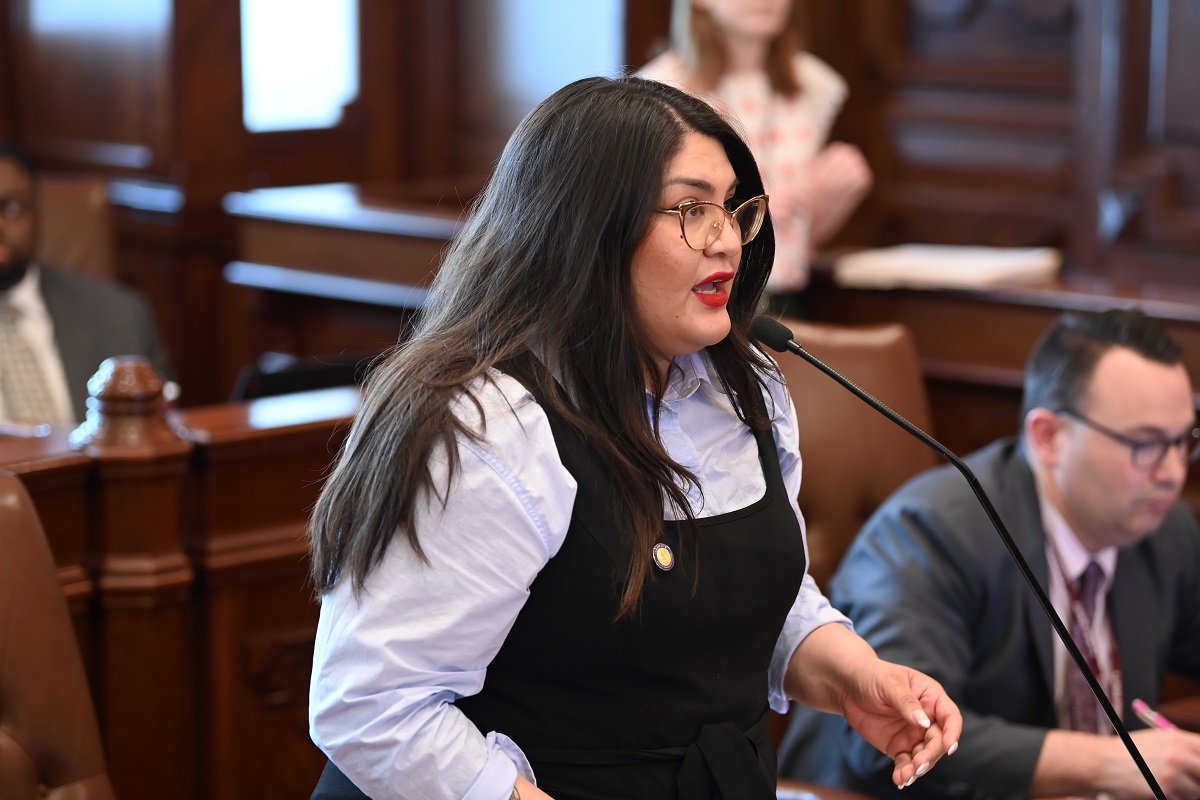
SPRINGFIELD – State Senator Graciela Guzmán’s legislation to preserve contraceptive services or supplies for minors was signed into law Friday.
“Everyone deserves the freedom to make decisions about their own body, their own health, and their own future,” said Guzmán (D-Chicago). “No young person should lose access to contraception because politicians decided they know better than patients and their health care providers. Illinois is protecting the freedom to make deeply personal health care decisions and ensuring that access to contraception remains available for those who need it.”
The law ensures that minors can consent to contraceptive care without requiring permission from another person, protecting access to timely reproductive health care. According to KFF, several states require parental consent to obtain contraceptive care and many states do not guarantee the rights of minors to consent to contraceptive services.
Read more: Guzmán law protects minors’ access to contraception in Illinois
Guzmán law to ensure CNAs are paid for every hour they work signed into law
- Details
- Category: Press Releases
SPRINGFIELD – Certified Nurse Assistants who care for Illinois seniors will now have stronger protections against wage theft under legislation from State Senator Graciela Guzmán, signed into law Friday after years of advocacy by SEIU Healthcare Illinois Indiana and CNA workers.
“CNAs do some of the hardest and most important work in our healthcare system,” said Guzmán (D-Chicago). “They care for our parents, grandparents and loved ones every single day. They deserve to be paid for every hour they work. I’m proud to stand alongside SEIU and the workers who fought for this reform to make sure employers can no longer shortchange the people providing care.”
The new law requires CNA wage increases and reimbursement calculations to include every hour worked, including both productive and nonproductive hours. Covered hours include paid sick leave, paid vacation, training time, bereavement leave, holidays and paid time off. Employers that fail to comply will be subject to penalties and fees.
Read more: Guzmán law to ensure CNAs are paid for every hour they work signed into law
Guzmán effort to give assisted living and shared housing residents more autonomy signed into law
- Details
- Category: Press Releases
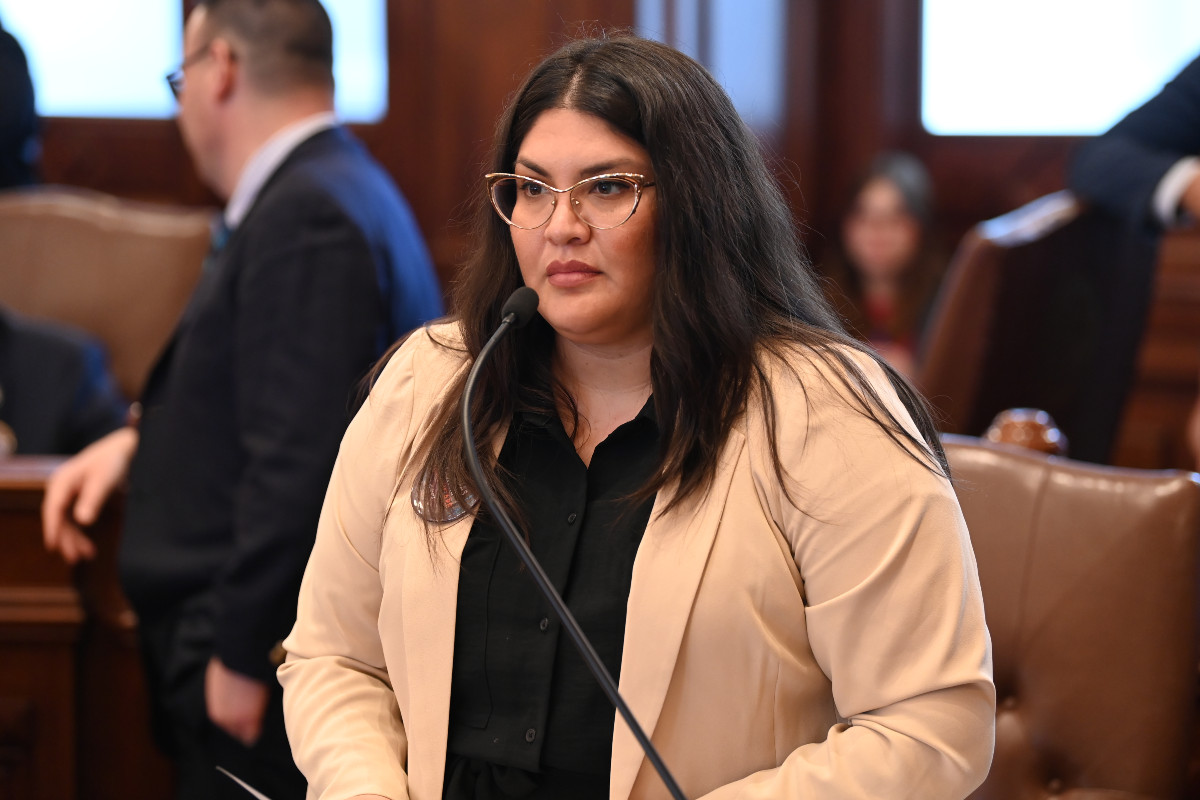
SPRINGFIELD – State Senator Graciela Guzmán’s legislation to allow authorized electronic monitoring in assisted living and shared housing facilities was signed into law Friday.
“People in assisted living and shared housing deserve safety, dignity and the ability to make informed choices about their own care,” said Guzmán (D-Chicago). “When someone’s daily care is placed in the hands of others, residents and their families deserve peace of mind. This law gives residents another tool to protect themselves, document concerns and help ensure these facilities are free from abuse and neglect.”
House Bill 4517 allows residents in assisted living and shared housing facilities to use authorized electronic monitoring devices in their rooms. Under the law, an electronic monitoring device may include a fixed-position video camera or audio recording device installed in a resident’s room to record or broadcast activity or sounds occurring in that space.
Electronic monitoring can help residents and families identify, prevent and respond to abuse, neglect or mistreatment, whether from staff or others. The law is especially important for residents who may have difficulty reporting concerns on their own or whose families are seeking additional assurance about their care.
The measure also maintains important privacy protections for residents. Roommate consent is required, and residents living in the room may request that the device be turned off at any time.
“Safety and privacy should not be treated as competing values,” Guzmán said. “This law respects resident rights while making sure families have another way to keep their loved ones safe.”
House Bill 4517 has been signed into law and takes effect immediately.
More Articles …
Page 2 of 31



Follow Senator Guzmán